Lecture slides have a reputation as the least useful thing a course gives you: half-sentences, a diagram with no explanation, a bullet that says "important!" and nothing else. But that compression is exactly what makes them valuable for exam prep. A slide deck is your lecturer's own shortlist of what matters. Turned into questions, it becomes the closest thing you have to a preview of the exam.
Here's how to do that well - and why it's worth the effort.
Why a practice test beats another read-through
When you re-read slides, everything looks familiar, and familiarity feels like knowing. A practice test removes that comfort. You have to produce the answer, and you find out immediately whether you can.
This is the testing effect, one of the most reliable findings in learning research. In a well-known 2006 study, Roediger and Karpicke had students either re-study a passage or take a recall test on it. A week later, the students who had been tested remembered substantially more - even though the re-studiers had spent more time looking at the material. A large 2013 review by Dunlosky and colleagues rated practice testing as one of only two "high utility" study techniques (the other is spacing your study out over time).
There's a second benefit students rarely expect: practice tests make the real one less stressful. In a 2014 survey of middle and high school students who had used regular retrieval practice in class, 72% said it made them less nervous about exams. A test you've rehearsed is a test you've already partly met.
If you want the longer version of this argument, we wrote about why re-reading fails.
Step 1: Mark what each slide is actually claiming
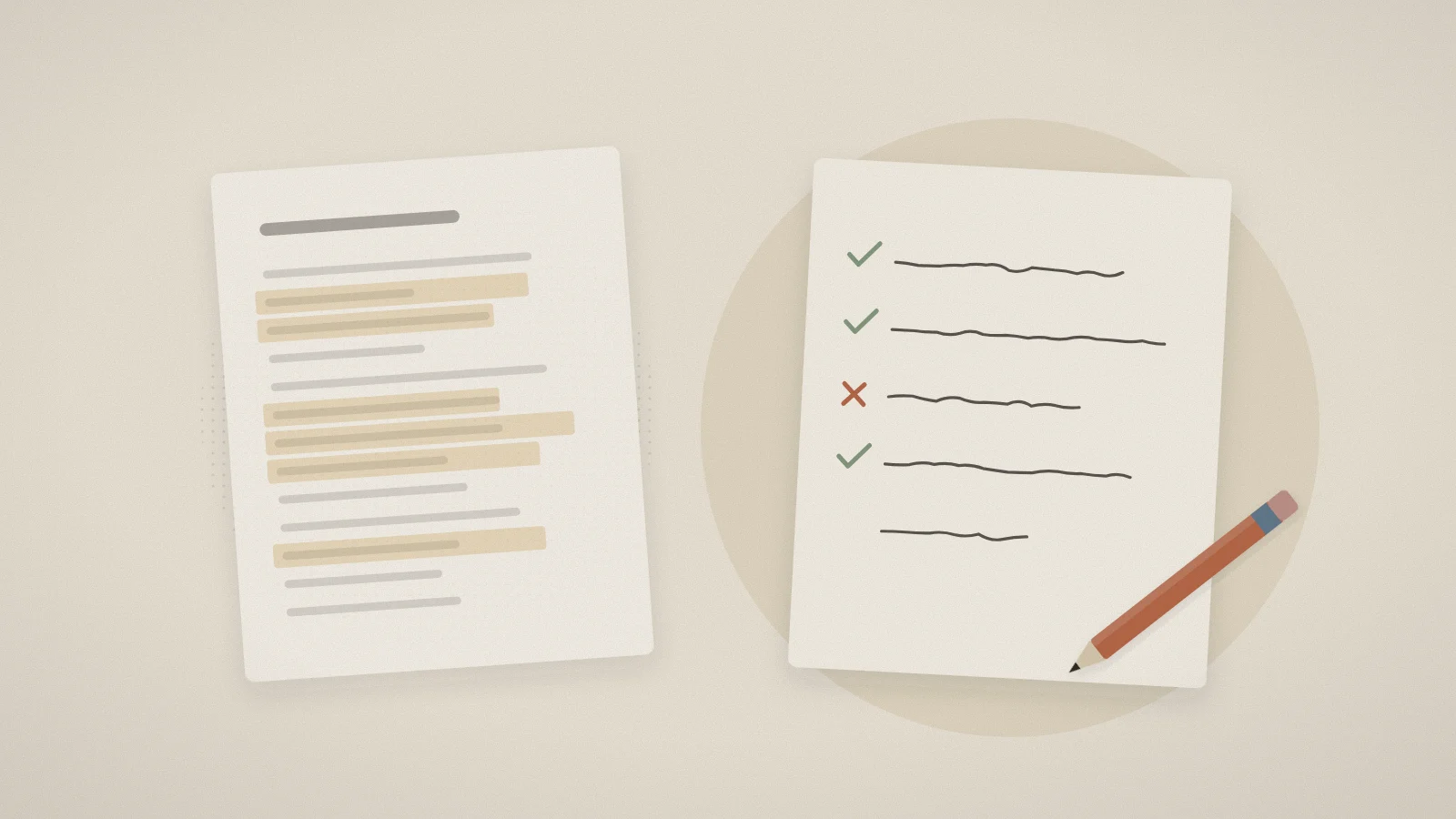
Go through the deck once with a single question in mind: what would I need to know to rebuild this slide from memory?
For each slide, underline or note:
- Definitions - any term the slide introduces or bolds.
- Relationships - causes, effects, comparisons ("X increases Y", "unlike A, B…").
- Numbers and conditions - quantities, thresholds, "only when…" clauses.
- Processes - anything with steps or stages, in order.
Skip slide titles, decorative examples, and anything that only appears once in passing. You're building a list of testable claims, not a transcript.
Step 2: Turn each claim into the right kind of question
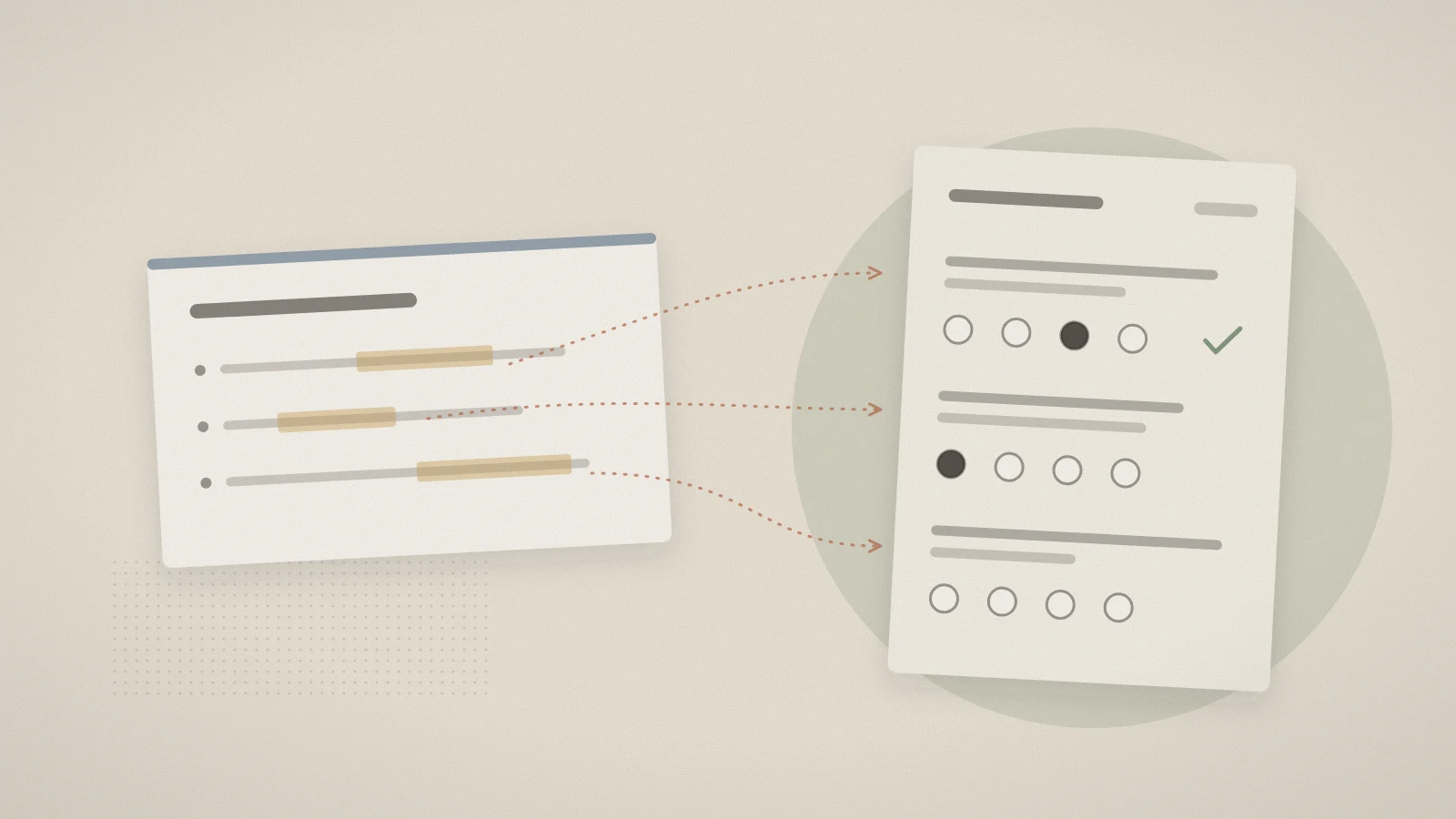
Different claims want different question formats. Matching them is the difference between a quiz that tests recognition and one that tests understanding.
| Claim on the slide | Best question format | Example |
|---|---|---|
| A definition | Fill in the blank | "The Krebs cycle takes place in the ____." |
| A single fact or number | Multiple choice with plausible wrong answers | "How many CO₂ molecules are released per turn?" |
| A list of features | Select all that apply | "Which of these are second messengers?" |
| A common misconception | True or false - with a reason | "Glycolysis requires oxygen. True or false, and why?" |
| A process | Put the steps in order, or explain a step | "What happens between step 2 and step 3?" |
A few rules make the questions far more useful:
- Ask for the idea, not the wording. If a question can be answered by remembering the shape of the slide, it's testing your visual memory of the deck, not the concept.
- Write wrong answers that a confused student would actually pick. Multiple choice is only as good as its distractors. "Cytoplasm" is a good wrong answer for where the Krebs cycle happens; "the liver" is not.
- Write the answer and why it's right. An explanation turns a wrong answer into a lesson instead of a shrug.
Step 3: Mix the deck up before you take it
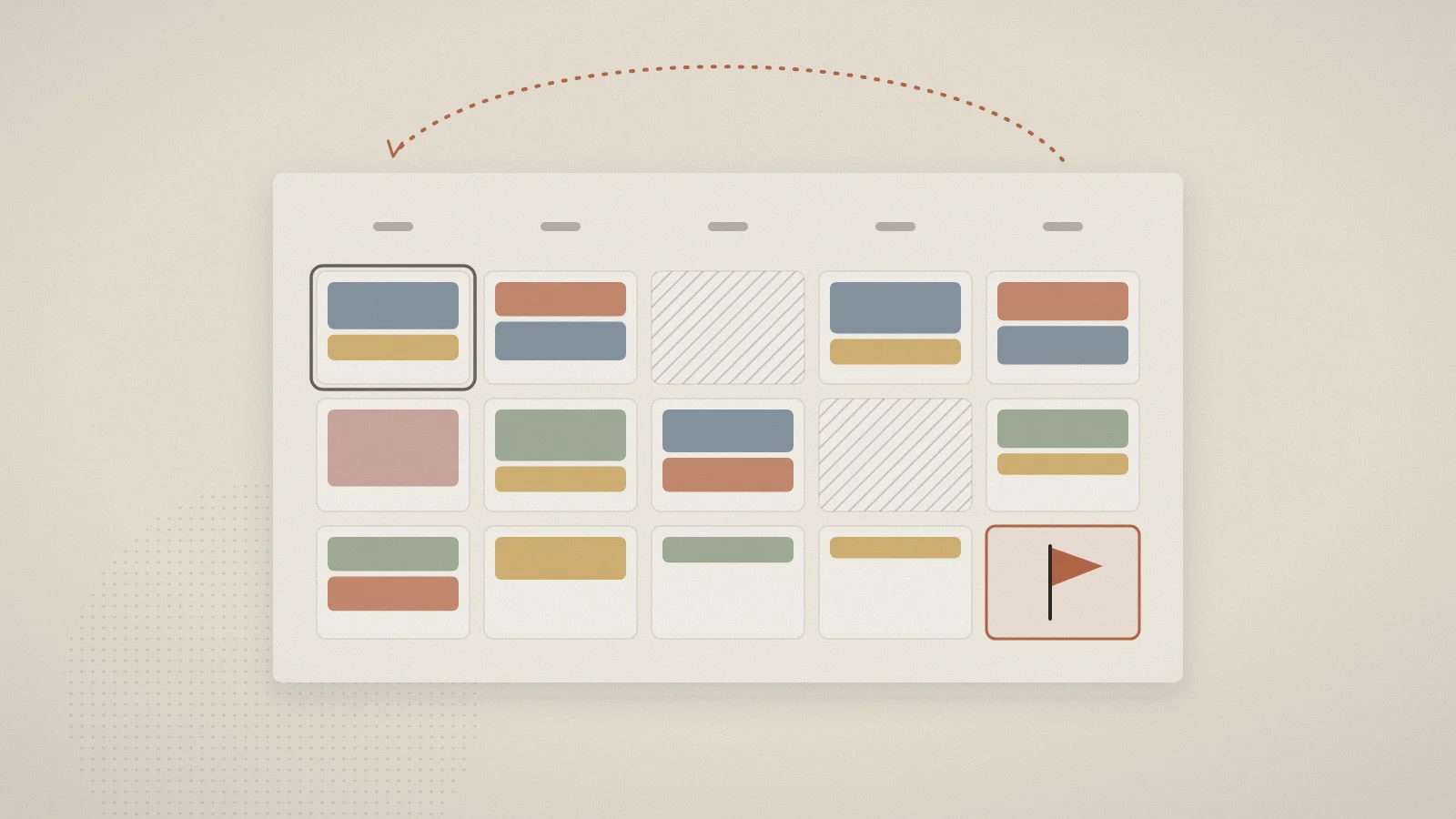
If your questions run in slide order, each one hints at the next. Shuffle them, and if you have several lectures, mix questions from different weeks together. It will feel harder - that's the point. Mixing topics forces you to work out which idea a question is asking about, which is exactly what an exam demands. (This is called interleaving, and it has its own surprisingly strong evidence base.)
Step 4: Take it like an exam, then study your mistakes
Take the test closed-book, ideally a day or more after the lecture, when some forgetting has set in. Then:
- Mark every answer, including the ones you got right by guessing. A guess is a miss.
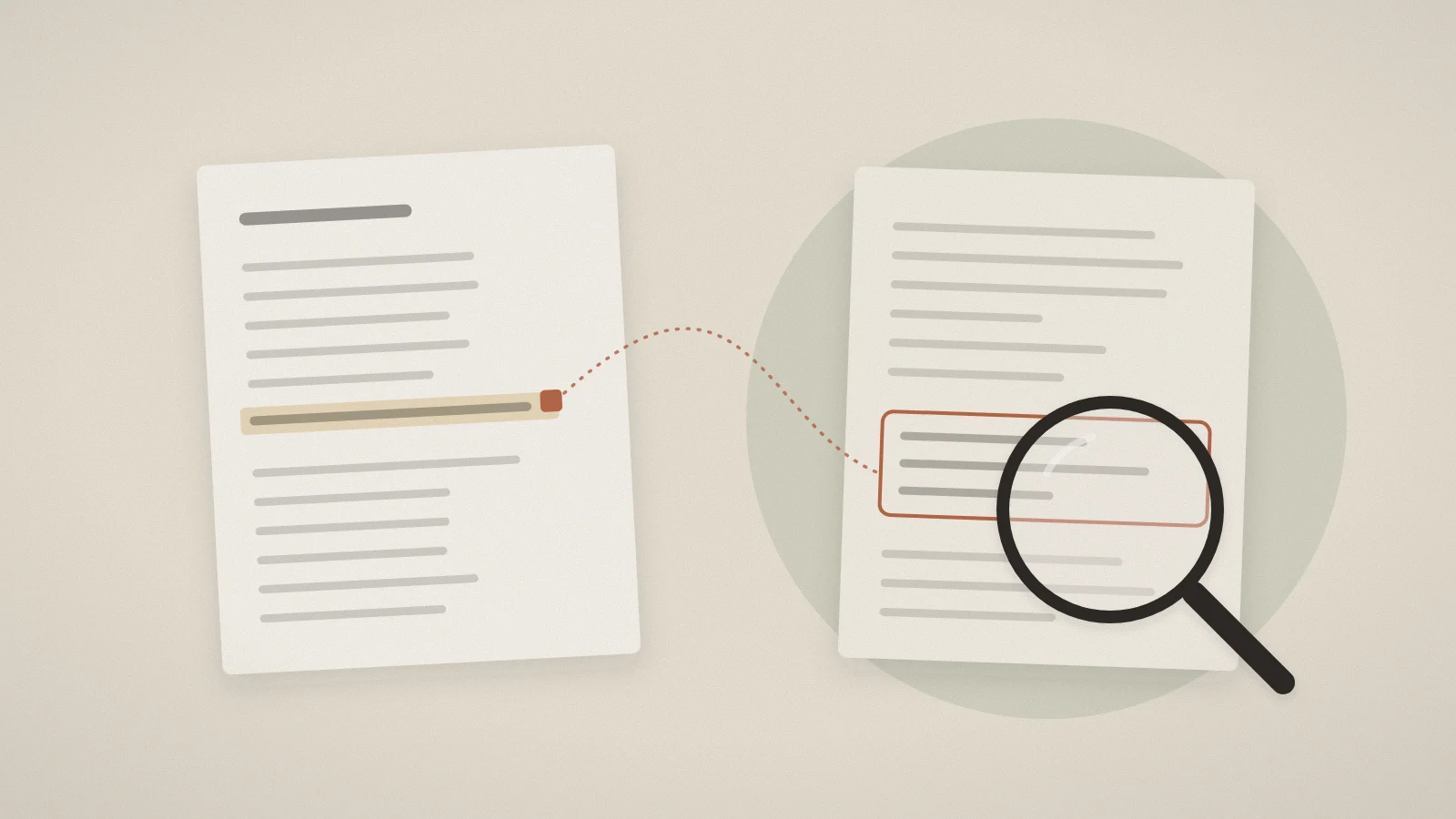
- Read the explanation for every miss and go back to the slide it came from.
- Write down the topic, not just the question. "Enzyme kinetics" is a revision target; "question 7" is not.
- Retake only the misses two or three days later.
The list of topics you missed is the most valuable thing a practice test produces. It tells you where your next hour of study should go - which is almost never where you'd have guessed.
How long should this take?
Writing good questions by hand takes roughly 30–60 minutes per lecture once you get the hang of it. That time isn't wasted - deciding what's worth asking about is itself a form of studying. But it's also the main reason students skip practice tests and go back to re-reading.
If time is the bottleneck, it's reasonable to let a tool draft the first version. Skolight's quiz generator writes multiple-choice, select-all, true/false, and fill-in-the-blank questions from the slides you upload, each with an explanation and a pointer back to its source, and the exam generator builds a timed paper with the mix of question types you choose. Whichever way you make the questions, the part that matters is the same: answering them from memory, and spending your next session on what you got wrong.
A one-page checklist
- For each slide, note the definitions, relationships, numbers, and processes
- Turn each claim into the question format that fits it
- Write the answer and a one-line reason for each question
- Shuffle the questions, and mix in other lectures
- Take it closed-book, a day or more later
- Turn your misses into a list of topics, and retake those in a few days
Slides are a summary of what your course thinks matters. A practice test is how you find out whether you know it - while there's still time to do something about it.