AI tools can explain anything, summarize anything, and answer almost any question in seconds. That makes them one of the most useful study tools ever built - and one of the easiest ways to feel productive while learning very little.
The difference isn't which tool you use. It's whether the AI is doing the thinking for you or making you think harder. Here's how to stay on the right side of that line.
The trap: effort is where learning happens
Decades of memory research point the same way: the effortful parts of studying are the parts that work.
- The generation effect. Information you produce yourself is remembered better than information you simply read. This was first shown by Slamecka and Graf in 1978 and has been replicated many times since.
- Desirable difficulties. Robert Bjork's term for the finding that conditions which make learning feel harder - testing yourself, spacing study out, mixing topics - often produce stronger long-term memory than conditions that feel smooth.
A polished AI summary is the opposite of a desirable difficulty. It's fluent, complete, and requires nothing from you. Read ten of them and you'll feel like you know the material, for the same reason re-reading feels like studying: familiarity masquerades as knowledge.
The rule: attempt first, ask second, verify always
Attempt first
Before you ask an AI anything about a problem or concept, make a real attempt. Write your answer, your explanation, or your best guess - even if it's wrong.
Your attempt does two things: it triggers the generation effect, and it turns the AI's answer from new information into feedback on your thinking. Feedback is far more memorable.
Ask second - and ask for the right things
Some requests make you think harder. Others let you skip the thinking. A rough guide:
| Makes you think | Lets you skip thinking |
|---|---|
| "Quiz me on chapter 4" | "Summarize chapter 4" |
| "Here's my explanation - what's missing?" | "Explain chapter 4" (before you've tried) |
| "Give me a harder example of this type" | "Solve this problem" |
| "Why is my answer wrong?" | "What's the answer?" |
| "Explain it a different way - I didn't get the textbook's version" | "Write my essay outline" |
The left column uses AI as a coach. The right column uses it as a substitute. The right column isn't always wrong - a summary can be a useful map before you read - but if most of your AI use lives there, you're likely learning less than it feels like.
Verify always
AI models can state wrong things fluently. For studying, that's especially risky: you can't spot an error in material you don't know yet, and a confident wrong explanation can stick.
Three habits help:
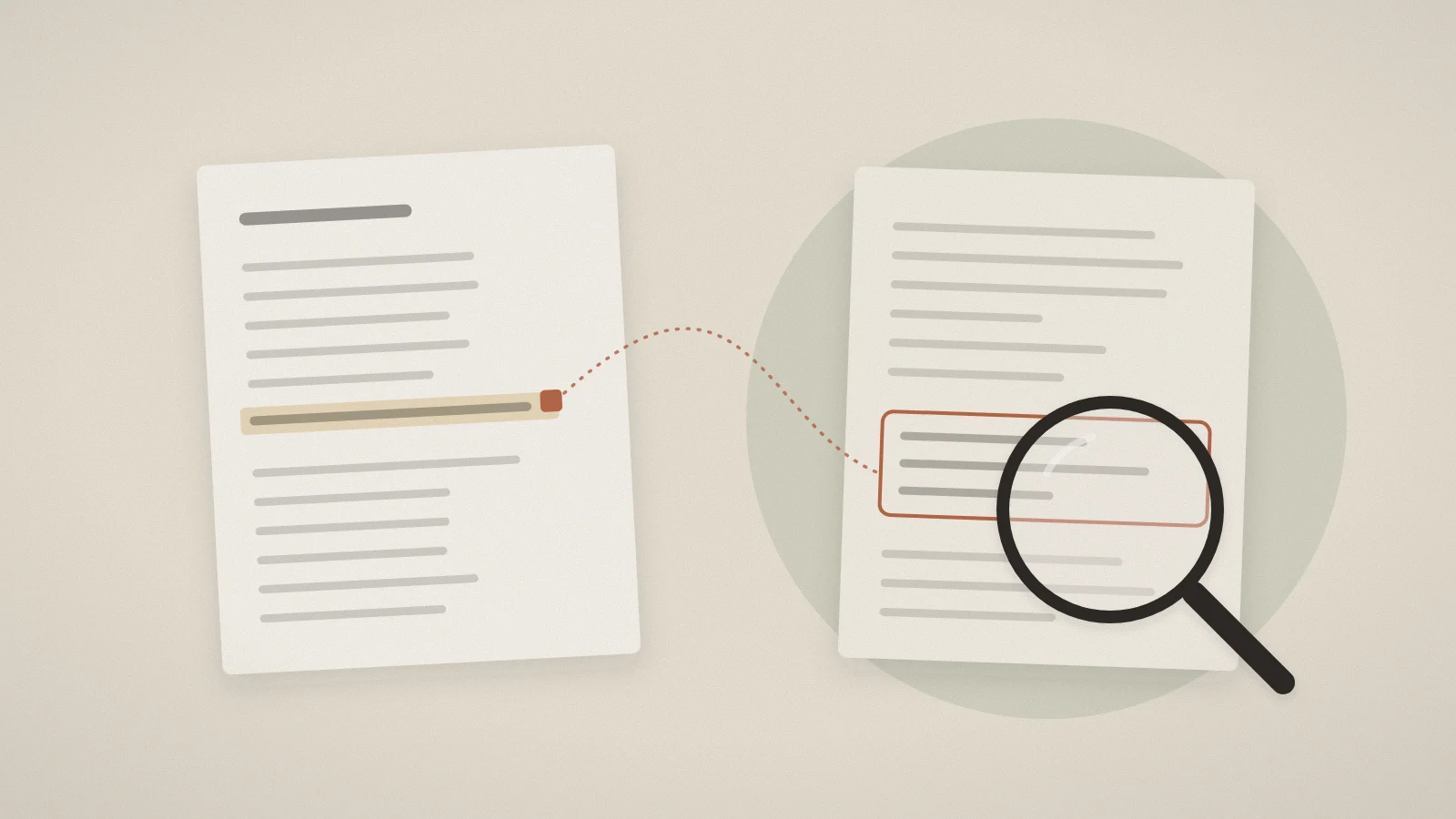
- Prefer answers you can trace. An answer that points to a page in your textbook or slides can be checked in seconds. An answer from "everything on the internet" can't.
- Check anything that will be on the exam against your course material - definitions, formulas, dates, and anything your lecturer emphasized.
- Watch for mismatched terminology. If the AI explains something differently from your lecturer, your exam will follow your lecturer.
Five uses that genuinely help
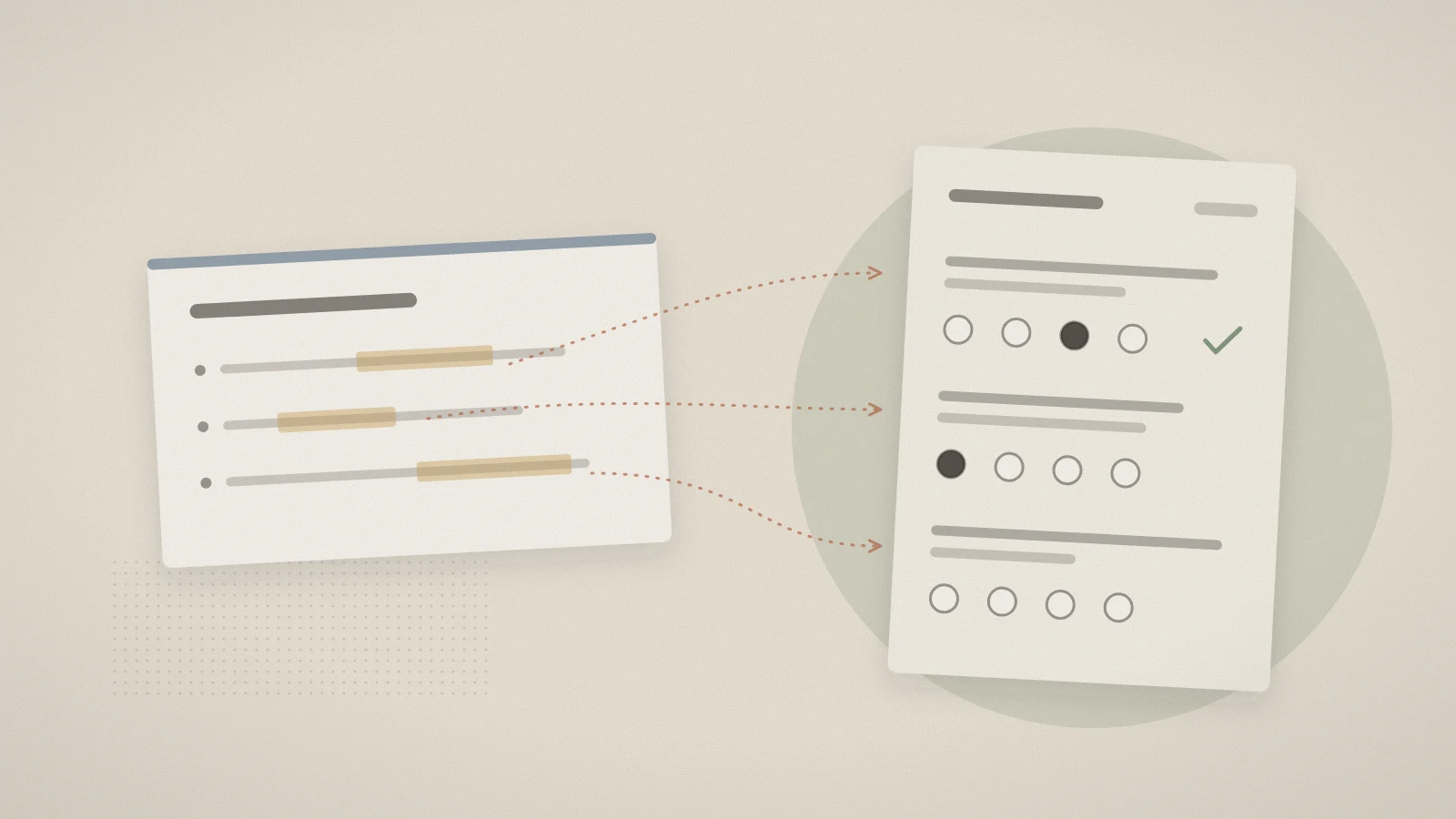
- Practice questions from your own material. Generating a quiz is tedious; answering one is where the learning is. Let the tool do the tedious part. (See how to turn lecture slides into a practice test.)
- A patient explainer, after you've tried. When the textbook's explanation doesn't land, ask for a different angle, a simpler version, or an analogy - then explain it back.
- A listener for the Feynman technique. Write your explanation and ask what's missing. (We walk through this in the Feynman technique.)
- Error analysis. Paste a wrong answer and ask why it's wrong, not what the right one is. Then retry.
- Planning. Turning exam dates and topics into a realistic schedule is arithmetic, not learning. Offload it happily.
A word on academic integrity
Using AI to understand material, check your reasoning, and practice is studying. Submitting AI-written work as your own is a different thing, and most institutions treat it as misconduct. Policies vary a lot between universities and even between courses, so read the ones that apply to you - and when in doubt, ask.
Where Skolight fits
We built Skolight around the left-hand column of that table. Its quiz and mock exam generators turn your own slides and notes into questions for you to answer. And Skolar, its AI tutor, answers from the material in your library and shows numbered citations back to the passages it used, so "verify always" takes a click rather than a search.
It's still possible to use any AI tool, ours included, as a shortcut. The habits above are what make it a coach instead.
The short version
- Attempt first: write your own answer before asking.
- Ask for feedback, questions, and alternative explanations - not finished answers.
- Verify anything exam-relevant against your course material.
- Follow your institution's rules on AI use.
Used this way, AI doesn't replace the hard part of studying. It makes sure you spend your time on it.